Infinitevania 100% Map Exploration
Earn The Infinity Cartographer without drowning in backtracking.
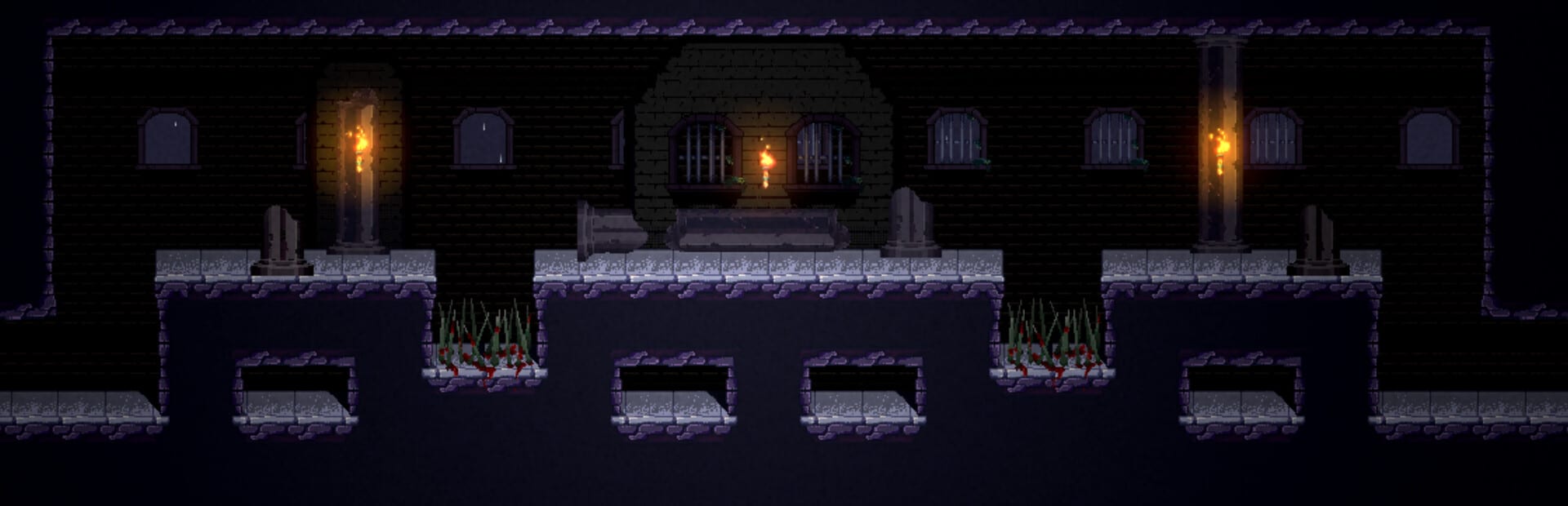
Reaching 100% map completion in Infinitevania is a routing puzzle. The game expects you to leave rooms unfinished, gain powers, and return. This guide turns that expectation into a plan.
Principles of 100% routing
- Chart forward until soft-locked by ability gates
- Maintain a mental (or checklist) list of unfinished rooms
- Unlock fast travel before major cleanup
- Combine collectible sweeps with shop trips
Ability-gated thinking
Every absorb and spirit can invalidate an old blockage. After bosses like Melog or Galegrim, spend twenty minutes revisiting early hubs before diving deeper. The secret walls page covers breakable surfaces; collectible routes sequences diaries, artifacts, and fragments.
Session structure for cartographers
- Pick one region
- Clear visible rooms to completion
- Note remaining gated paths
- Leave for a boss or shop
- Return after the next unlock
Avoid trying to 100% a region before you have the tools—it creates false frustration.
Percentage traps
Some players stare at 96% and wander randomly. Instead, hunt specific missing content: arenas, bestiary rooms, secret walls, and collectible clusters. Cross-check the items hub and tools checklist.
Relationship to endings
You can finish Ending 1 without perfect cartography, but Ending 2 and “become the Core” style completion sit closer to full exploration. Read endings explained before you burn a finale save.
Mindset
Infinitevania’s map is meant to feel dense, not cruel. If you are lost, open getting started habits again: slow down, listen for secrets, and treat every blocked path as a future gift.
Cartographer discipline
Open your map after every meaningful unlock and ask a single question: which earlier icon still looks incomplete? Incomplete rooms are future wealth. Sweep them in batches with fast travel once it exists; do not teleport home after every diary. Chain a fragment, a secret wall, a shop visit, then the next story beat.
Collectibles feel scarce when you rush. They feel abundant when you treat each biome as a checklist. Diaries often sit in quiet story corners; artifacts love ceremonial side rooms; Ancient Heart Fragments tend to guard harder platforming. Spirits cluster near major victories. If you only follow the glowing critical path, you will reach the finale under-collected and over-frustrated.
Use the completion checklist tool to make progress visible. Humans underestimate how many systems Infinitevania tracks—bosses, shop goods, arenas, bestiary, endings, and map percentage. Checking boxes turns a vague “I should 100% this” into a Tuesday-night plan.
Session planning that actually sticks
A strong Infinitevania session has three beats: a shop or spirit adjustment, a focused exploration loop, and one intentional boss or arena attempt. Players who only sprint the critical path burn out on retries; players who only vacuum side rooms stall on story gates. Alternate every thirty to forty minutes.
Keep a short written list of unfinished rooms. When a new absorb lands, do not immediately dive into the newest biome—spend a lap revisiting two older hubs. That habit alone recovers secret walls, diaries, and Ancient Heart Fragments you would otherwise discover in a miserable endgame cleanup.
Linking systems instead of grinding blindly
Souls, spirits, and map percentage are not separate games. Souls fund Nilbog. Nilbog funds survivability. Survivability funds learning. Learning funds boss clears. Boss clears fund absorbs and shortcuts. Shortcuts fund collectibles. If any link in that chain is ignored, the next boss feels artificially hard.
Use the wiki hubs as a circuit: after a death streak, open combat basics or the relevant boss page; after a successful clear, open map and items pages; before the finale, open endings explained and the completion checklist. Treat guides as tools, not novels you must finish in one sitting.
Controller, keyboard, and comfort
Infinitevania’s combat demands clean dash timing. If your hands tense up, remapping is not “cheating”—it is accessibility. Confirm jump and dash sit on comfortable inputs, then practice twenty back dashes and a short pogo chain in a safe room. Most “impossible” early rooms become readable once inputs stop fighting you.
What “ready” means before a boss door
You are ready when you can leave a dense trash room without panic healing, when you have visited Nilbog at least once since your last major unlock, and when you know which spirit role you are missing. You are not ready merely because you reached the door. Infinitevania respects preparation more than bravado.
Community footage versus wiki text
Trailers and no-commentary walkthroughs show pacing and arena shapes. Wiki pages name systems, achievements, and decision points. Use both: watch for visual memory, read for checklist clarity. Never invent mechanics that footage does not support—stick to Steam-confirmed systems like spirits, Nilbog, secret walls, dual endings, and the listed bosses.
Closing mindset
Infinitevania is a Brazilian metroidvania with sharp teeth and a generous absorb fantasy. Play curious, shop often, and treat every blocked ledge as a promise. Return to this page’s sibling links whenever you feel stuck; the answer is usually one unlock, one purchase, or one cleaner punish window away.
Frequently Asked Questions
Quick answers to the most common questions.
Is 100% map the same as 100% game?
No. Full game completion also includes shop goods, spirits, diaries, arenas, and endings.
Should I use a video?
A full walkthrough can help visually—see endings explained—but pause and explore yourself for secrets.
When is the best cleanup window?
After fast travel and before the Elder if you care about Ending 2.